Erosion Control
Coastal Erosion Control Methods Compared: Rock Armour, Groynes and Dune Restoration
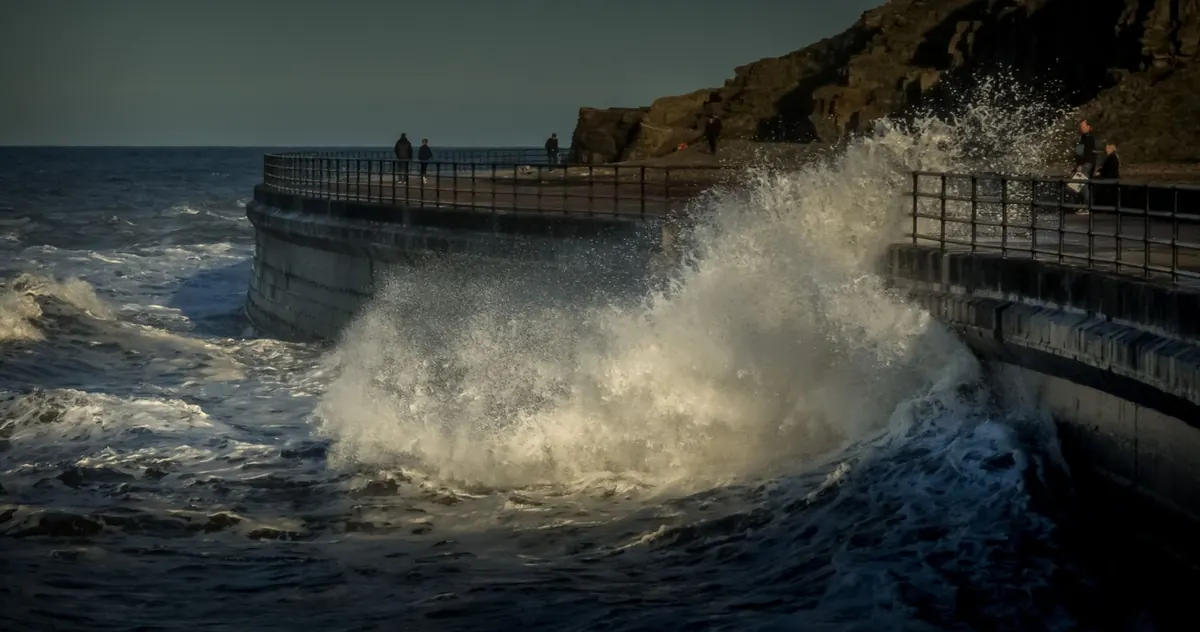
Stand on a shingle beach after a winter gale and the change is plain: a slice of dune gone, a new ridge of pebbles pushed inland, the sea wall exposed where sand used to be. Coastal erosion is not one problem with one answer. It is a sediment budget — material in, material out — and every defence built on one frontage changes the arithmetic for the next village along.
Why shorelines move in the first place
Beaches are not static. Waves arriving at an angle push sand and shingle along the coast in a process called longshore drift. That material is replenished by rivers, by crumbling cliffs and by sediment stirred up from offshore banks. Erosion becomes a problem when the supply slows — often because of sea walls and harbours built decades ago — or when a storm takes more than the summer can put back. Add rising sea levels and the squeeze between a rising tide and a fixed defence, and vulnerable stretches lose ground year on year.
None of that makes erosion unnatural. It becomes urgent when it threatens homes, roads, sewage works, caravan parks, farmland and the wildlife that depends on soft shores.
Rock armour: heavy, effective, inflexible
Rock armour is the most visible answer on the UK coast: enormous granite or limestone blocks placed as a sloping revetment or dropped at the toe of a cliff. Weight is the point. Individual stones are sized so storm waves cannot shift them, and a well-built scheme can last for decades with little maintenance beyond resetting blocks after exceptional events.
The drawbacks are real. Rock armour reflects wave energy rather than absorbing it, which often scours the sand in front and can speed up erosion at either end of the scheme. It also takes the beach's own supply of sediment out of circulation, starving frontages further along the drift. Ecologically, a rock slope is a poor substitute for sand, shingle or saltmarsh, although crevices do shelter crabs, winkles and small fish over time. And rock armour cannot move inland as the sea rises, so it commits a stretch of coast to holding the line — expensively — for as long as the rocks stay put.
Before you consider hard defences
- Find your Shoreline Management Plan, which sets out the agreed approach for each frontage over the coming decades.
- Talk to your local authority coastal team or the Environment Agency before assuming a new structure is possible.
- Expect consent requirements. Works below mean high water normally need a marine licence, plus flood defence consent and planning permission.
- Understand that a private wall or rock revetment usually just moves the problem to a neighbour.
Anything involving structures in the sea is a job for a coastal engineer. Treat the points above as a starting map, not legal advice.
Groynes: holding sand where you want it
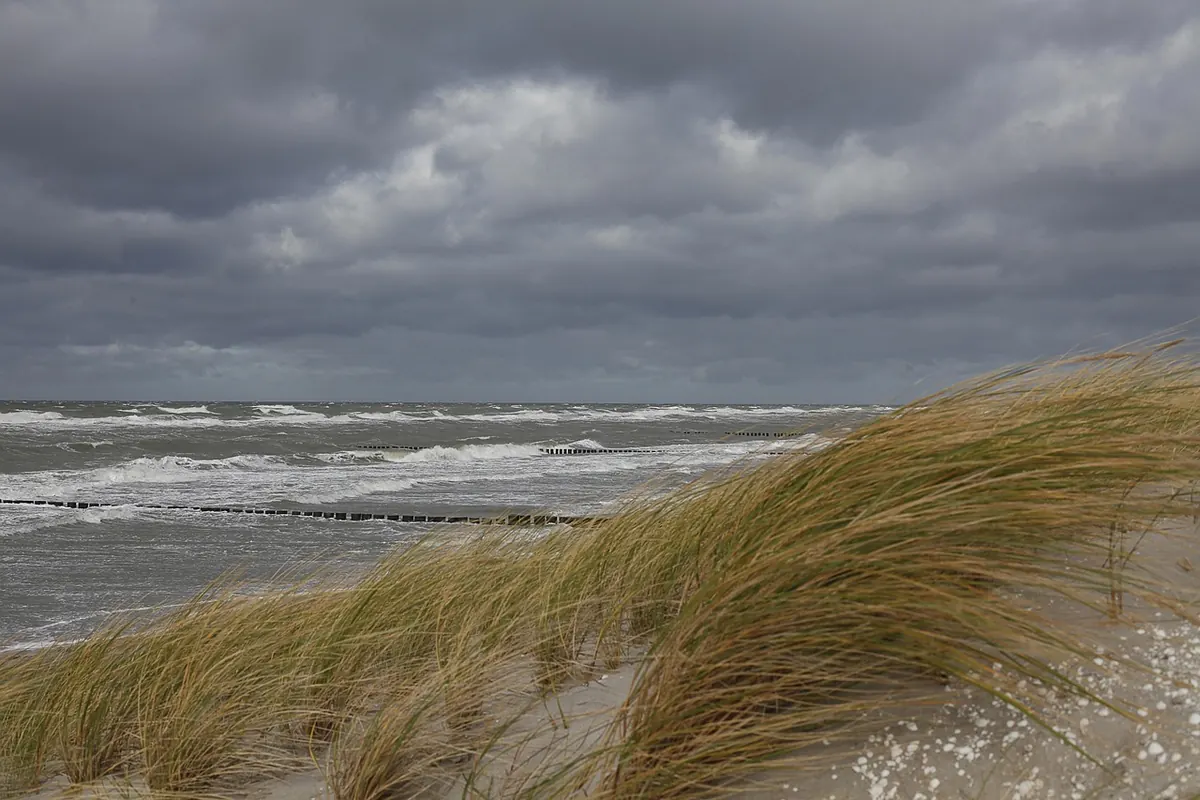
Groynes run out from the shore like the teeth of a comb, interrupting longshore drift so that sediment settles. Timber, rock and steel versions all exist, and timber groynes remain common on southern and eastern beaches, where they need regular repair as planks rot and fixings work loose.
A groyne widens the beach on its updrift side and narrows it on the downdrift side. That is not a design fault; it is the mechanism. It is also why groynes are built in fields, spaced at intervals so the sand is shared rather than stolen. A healthy, wide beach is itself the best defence, because waves break offshore and lose their energy before they reach the land. Rock groynes tend to last longer than timber and offer better intertidal habitat, but they are costly, and the downdrift communities that lose sediment deserve an honest conversation rather than a surprise.
Dune restoration: the soft option that pays back
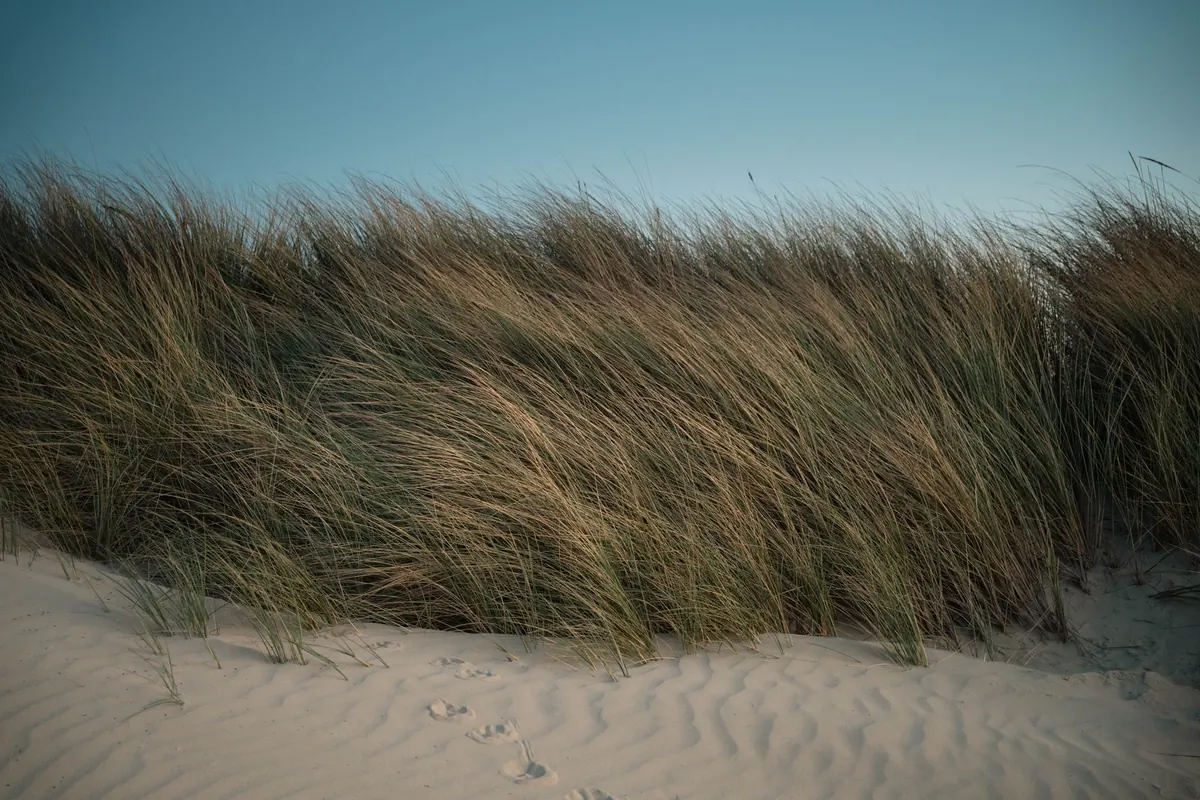
Dunes are not just piles of sand. They are a natural reservoir that feeds the beach during storms and rebuilds in calm weather, held together by marram grass roots that trap wind-blown grains. Restoring them means giving that process room to work: fencing the seaward face, planting or encouraging marram, keeping foot traffic on defined paths, removing scrub such as sea buckthorn, and filling blowouts with brushwood to stop small gaps becoming large ones.
Done well, dune restoration costs far less per metre than hard engineering, improves with age, and creates habitat for specialist plants, insects and reptiles. It is also more forgiving than concrete: a dune can be repaired after a storm. Its limits are space and time. If a car park or road sits right behind the dune line, the sand cannot roll inland as sea levels rise, and no amount of planting will change that.
A practical sequence for a dune project
- Survey what is there: dune height, bare patches, existing paths, where the sand is blowing.
- Fence the seaward edge and the main access points, leaving deliberate gaps so people use the routes you want.
- Plant marram where sand is moving, and let it establish before inviting volunteers in for a big planting day.
- Clear invasive scrub in stages, so bare ground does not become a new erosion source.
- Photograph the same points each season, and again straight after storms, to see whether your work is holding.
Beach nourishment and hybrid schemes
Sometimes sand or shingle is brought in from offshore dredging areas or a harbour entrance and spread on the beach, often combined with a groyne or two to slow its escape. This can be the right answer at a high-value site where a natural beach is essential, but it is expensive, the material must match the existing sediment closely, and it will need repeating every few years. Dredging also has ecological consequences at the source, which are easy to forget when the benefit is local.
Comparing the options at a glance
- Rock armour — high initial cost, low ongoing maintenance, decades of service, poor intertidal habitat, no ability to adapt to sea level rise.
- Groynes — moderate to high cost, recurring repairs for timber, useful life measured in decades, mixed ecological effects, downdrift erosion to manage.
- Dune restoration — low cost per metre, ongoing seasonal effort, benefits grow over years, excellent habitat, can adapt inland where there is space.
- Beach nourishment — very high cost, repeated every few years, quick visual results, temporary habitat disturbance, works best as part of a wider plan.
Where there is a healthy, wide beach, you rarely need a wall.
What this means for your stretch of coast
Start by finding out what is already agreed. Shoreline Management Plans, published by coastal groups of councils and agencies, set out whether a frontage will be held, managed or allowed to change. Reading yours tells you whether a scheme is likely, and whether your energy is better spent on monitoring, habitat work or planning for the long term.
If you live behind a dune system, the most useful things you can do are unglamorous: join or start a friends group, keep people off the fragile seaward face, log change with fixed-point photographs, and report new blowouts early. If erosion is threatening property, get advice from the local authority coastal team before spending money privately — an unauthorised structure can create liability and will still need consent. And be patient. Soft defences reward those who think in decades, which is exactly the timescale the coast works on.
Photo: Ray Bilcliff / Pexels
Related Articles