Conservation

Beginner's Guide to Volunteering for Dune Conservation in the UK
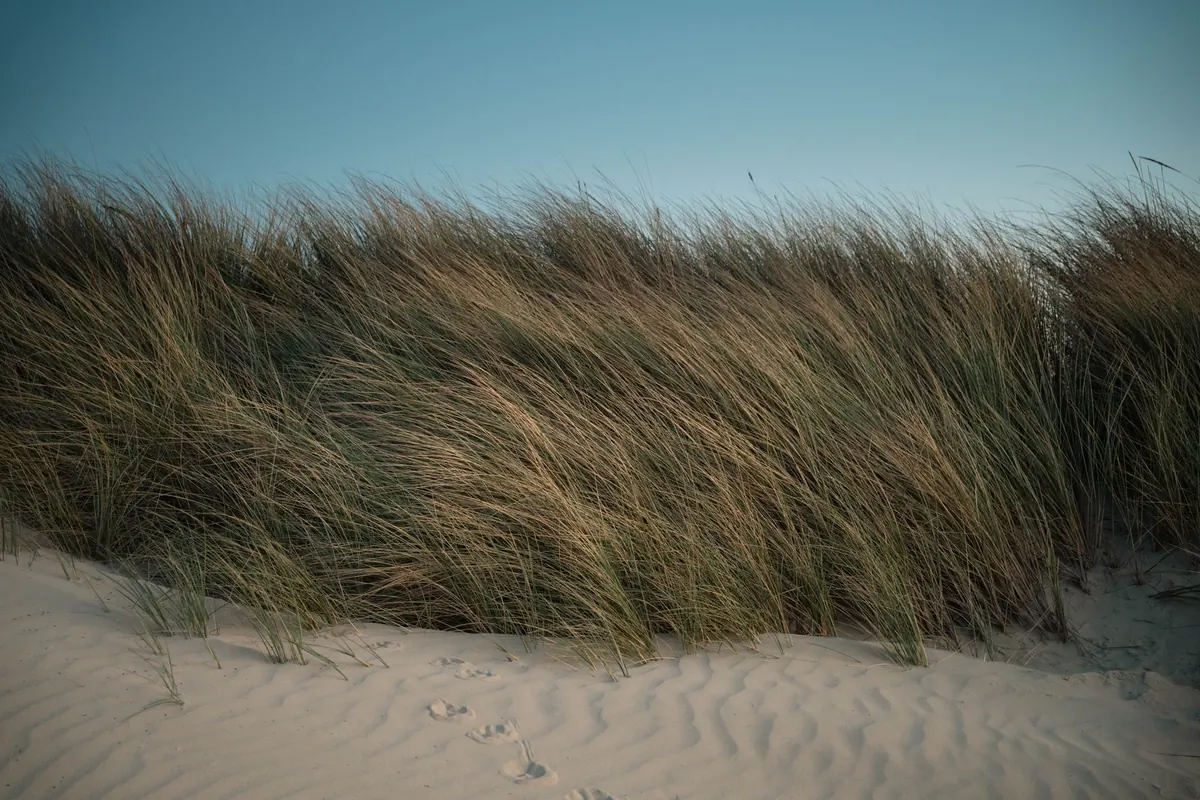
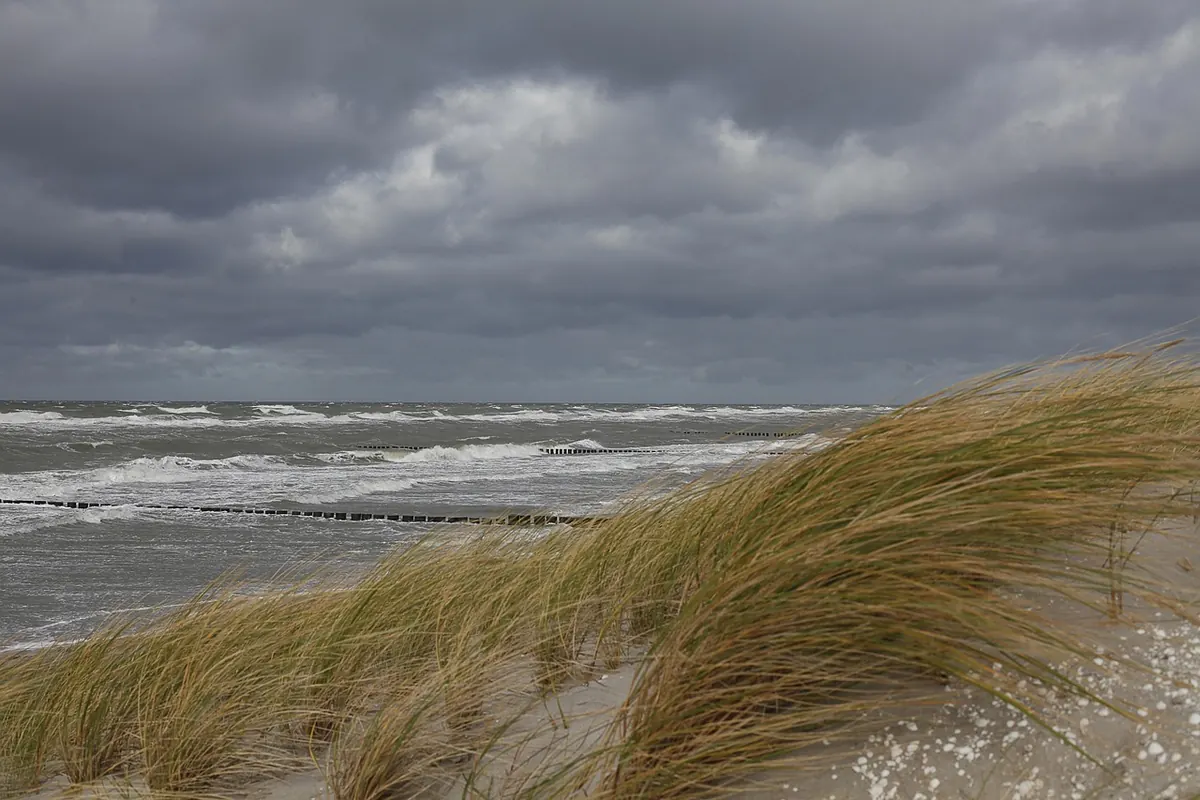
A sand dune is one of the few British landscapes still being made. Sand lifts off the beach, catches in marram grass, and slowly builds into a low ridge that hardens into fixed dune, then slack, then a whole strip of rare habitat. That process is easy to interrupt. Volunteers do much of the practical work that keeps it going: planting, clearing, fencing, raking, counting. You need no experience and no qualifications, and you do not have to commit to a season. Here is how to find a group, what you will be asked to do, and how to turn up ready.
Why dunes need people
Most of our larger dune systems are protected as Sites of Special Scientific Interest, and many are also internationally important for the wildlife they hold. Protection on paper has not stopped them changing. Grazing animals were taken off many sites a century ago, airborne nitrogen feeds rank grasses, and sea buckthorn and bramble move in fast once they get a foothold. Left alone, a dune becomes scrub, then woodland, and the specialist species go: natterjack toads, sand lizards, dune helleborine, the solitary bees and wasps that need bare sand, and ground-nesting birds such as ringed plover and little tern.
Bringing dunes back often means cutting scrub, scraping small patches down to bare sand, replanting marram and managing where people walk. That is slow, physical work, and conservation charities rarely have the staff to do it all. Volunteers also act as extra eyes on a site, spotting dumped waste, damaged fencing or disturbance during the nesting season.
Finding a group near you
Start with whoever already manages the coast you know best. Most coastal counties have a Wildlife Trust running volunteer work parties, and the National Trust and National Trust for Scotland look after a good number of dune sites. Local council ranger teams, country parks, National Landscape (formerly AONB) partnerships and community "friends of" groups are worth approaching too.
- The Wildlife Trust for your county — check the volunteering pages, then email and ask about dune or coastal tasks.
- The Conservation Volunteers (TCV) — regular midweek and weekend sessions, tools and training provided.
- Species and habitat charities — Plantlife, Butterfly Conservation and the RSPB all run survey days and practical work on coastal sites.
- Beach clean groups — the easiest way in, and usually the quickest route to the people who organise dune work nearby.
- Local volunteer centres and community Facebook groups — useful for smaller, less formal groups that never appear on national websites.
- Site noticeboards and visitor centres — often the only place a work party is advertised.
Search for your county plus "dunes volunteer", and when you make contact, keep it short: say which days you can offer, whether you have transport, and ask what a typical session involves and whether tools are supplied. If a group is fully booked, ask to be put on the list for the next date. Demand is often higher than places.
What you will actually be doing
Tasks follow the seasons. Roughly October to March is the heavy work period, because plants are dormant and wildlife disturbance is lower. Spring and summer shift towards monitoring, litter, path work and helping at events. On any given day you might be doing one of the following:
- Planting marram grass plugs into bare sand, often several hundred in a morning.
- Installing or repairing sand-trapping fences made from chestnut paling or brushwood.
- Cutting and pulling sea buckthorn, gorse, bramble and bracken, then raking up and carrying the cuttings off site.
- Litter picking, including fishing line, rope and plastic fragments that work their way into the sand.
- Repairing boardwalks, steps, gates and path edging.
- Survey work: fixed-point photography, plant quadrats, transects, insect counts.
- Helping at guided walks, school visits or a stand at a village fete.
Expect a safety briefing first, a steady pace rather than a race, and a proper lunch break. There is usually a range of jobs, so say so if you would rather not use a bow saw or carry heavy loads. Nobody will hand a new volunteer a chainsaw.
Getting ready for your first day
Dune sites are exposed, sandy and often a walk from the nearest car park, so kit matters more than it does on a woodland task. Wear boots with grip rather than trainers or sandals, and bring long trousers even in summer — brambles and ticks do not care about the forecast.
- Layers, a windproof and a waterproof; coastal weather turns quickly.
- Work gloves if you have them, though most groups bring spares.
- At least a litre of water and a packed lunch.
- Sun cream, a hat and sunglasses; sand reflects a lot of light.
- Insect repellent in summer, particularly for Scottish midges.
- Any medication you might need, and a spare pair of socks for the drive home.
Worth asking before you go
Where exactly is the meeting point, and is there parking? How far is the walk to the work area? Are tools and gloves provided? Are there toilets nearby — often the honest answer is no. Is the site workable for your mobility needs? Is there a minimum age, and can children come with an adult? A two-line email saves a wasted morning.
Safety, wildlife and doing no harm
Follow the briefing, carry tools the way you are shown, and stay within sight of the group. Many dune sites restrict access between March and September to protect ground-nesting birds, so keep to marked paths and check whether dogs are allowed before bringing one.
Wear gloves, cover any cuts and wash your hands before eating. Check yourself for ticks at the end of the day, remove any you find promptly with fine tweezers, and if you later develop a rash or feel unwell, speak to a GP. Leave driftwood, shells and plants where they are: dead wood is habitat, and moving sand or vegetation on a protected site requires consent, which is why volunteers always work under a leader.
Making the most of it
Book one session rather than a season, arrive ten minutes early and tell the leader what you would like to learn. Bring a notebook if you want to get better at plant identification, and ask to see the site's management plan — knowing why a patch of scrub is being cleared makes the work far more interesting.
If heavy practical work is not for you, ask about the other roles: wildlife recording, photography, leading walks, admin, social media, or helping with grant applications. These are genuinely needed and often harder to fill than planting days.
Come back to the same site in different seasons and you will start to read it properly: where sand is accumulating, where the wind scours, which plants appear after a scrape. That familiarity is what turns a volunteer into someone the group relies on. Of all the habitats in Britain, dunes are among the few where a morning's work is visible within a year — new marram holding a ridge, a bare sandy patch already busy with bees, a path that finally stays put.
Photo: geralt / Pixabay
Related Articles