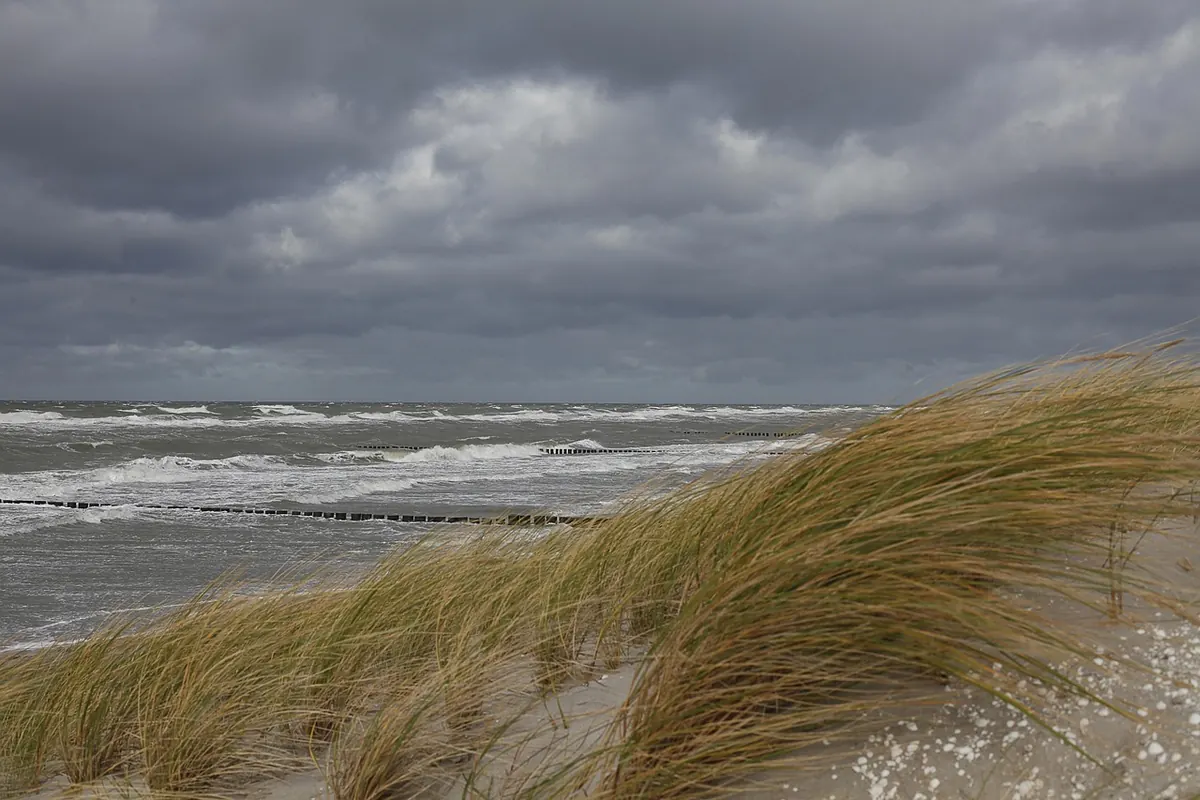
Conservation
How to Create a Beach Clean-Up Plan That Protects Dune Wildlife
A beach clean-up should leave the coast cleaner and the dune system healthier. Do it without a plan and it can do real harm: volunteers on the wrong line flatten nests, crush rare plants and strip the strandline of the seaweed and driftwood that insects and birds rely on. The fix is not complicated. An hour of preparation covers almost everything — but only if that hour is spent on the right questions. Where will people walk? When will they work? What will they pick up, and what will they deliberately leave behind? A good clean-up is not a tidy-up. It is a light-touch operation that treats the beach as a living system, not a carpet to be vacuumed.
Choose the Date Around Wildlife, Not Just the Weather
Most coastal ground-nesting birds in the UK breed from spring into late summer, and their eggs and chicks are nearly impossible to see — a scrape in shingle, a dip between grass tussocks. Ringed plovers, oystercatchers and little terns are just a few examples. A single footstep can crush a clutch that has survived tides, predators and weather. Winter is not automatically safer: upper beaches and strandlines are roost sites for waders and wildfowl, and disturbance in cold weather costs birds energy they cannot spare. Sanderling, dunlin and turnstone may be resting after long migrations or simply trying to survive a hard frost.
So don't hunt for a month with no wildlife. Pick a quieter window, then reduce the group size, shorten the session and shift where you work. Ask the council, wildlife trust or site ranger about closed or fenced areas, and treat fencing as a signal rather than an obstacle. If a warden says a shingle bank is off-limits, that is not bureaucracy; it is the difference between a clean-up and a failed nest.
Tides decide the rest. A falling tide around low water gives the widest safe working area and the best chance of catching litter before it is buried. A rising tide is no place for a group of thirty. Check the tide table, wind and swell, and plan to be off the beach well before the water returns. A two- to three-hour window around low water is usually plenty. If the tide is very high or the sea is rough, postpone. Litter will still be there; volunteers should not be at risk.
Look for Signs, Not Just Schedules
Wildlife does not always read the calendar. Before you fix a date, ask the site manager whether birds are nesting early, whether seals are hauled out nearby, or whether rare plants are flowering. On the day, watch for alarm calls, birds running away with a trailing wing, or repeated flights from one spot. Those are signs of a nest or chick. Move the group away and work elsewhere. A short diversion is better than a disturbed colony.
Recce the Site a Week Ahead
Walk the beach at the same time of day you plan to work. You are noting four things: where the strandline sits, where bare sand gives way to vegetation, which paths already exist, and anything obviously fragile — a shingle bank, a damp hollow, a crust of lichen on stable sand.
Take photos and sketch a simple map. Mark the meeting point, parking, access paths, the nearest toilets and any first-aid options. Note where phone signal drops out. Look for sensitive features that are easy to miss: a patch of sea holly, a ring of sand around a lone plant, a damp dune slack that may be a breeding pool for natterjack toads, or a lichen crust that looks like grey paint but is actually a living community holding the sand in place. That crust can take decades to recover from repeated footsteps.
Your recce should also answer practical questions. Where will bags be staged? Can a vehicle reach the beach without driving over dunes? What happens if someone finds a needle or a heavy item? Where is the nearest hospital? The more you know in advance, the less you have to improvise with thirty people waiting.
Plan a Route That Keeps Feet Off the Dunes
Most dune damage happens when people cut through vegetation to reach litter. Set a clear boundary before anyone arrives. Work from the waterline to the strandline, or along the lower beach, and use existing access paths. If litter is tangled in the dunes, do not send volunteers in. Report it to the site ranger or organise a small, trained group with permission.
Use a simple line-abreast formation with two to three metres between people, but adjust for sensitive areas. In fragile zones, split into smaller teams and move in single file along established paths. Keep bags light and never drag them across vegetation. Agree a turnaround time and a meeting point. A clean-up that ends with everyone tired but on the path is a success; one that ends with a trail of flattened dune grass is not.
Remember that the strandline itself is a habitat. It is not a pile of rubbish. Seaweed, driftwood, cuttlefish bones and shells feed sandhoppers, kelp flies and beetles, which in turn feed birds such as turnstones and snow buntings. Removing the lot may make the beach look tidy, but it strips the pantry.
Brief Your Volunteers Before They Pick Up a Bag
The best briefing is short, specific and repeated. Gather everyone before any litter is collected. Say where the no-go zones are, why they matter, and what to do if someone accidentally steps into one. Point out the route, the meeting time and the recall signal. Make it clear that wildlife comes first: no chasing birds, no handling animals, no entering fenced areas.
Cover safety as well as ecology. Wear gloves and sturdy shoes. Use litter pickers for anything sharp. Never touch needles, syringes, medical waste or unknown containers; mark the spot and tell the team leader. Use a buddy system, keep children supervised, and carry a basic first-aid kit. If you find an injured animal, do not attempt a rescue unless you
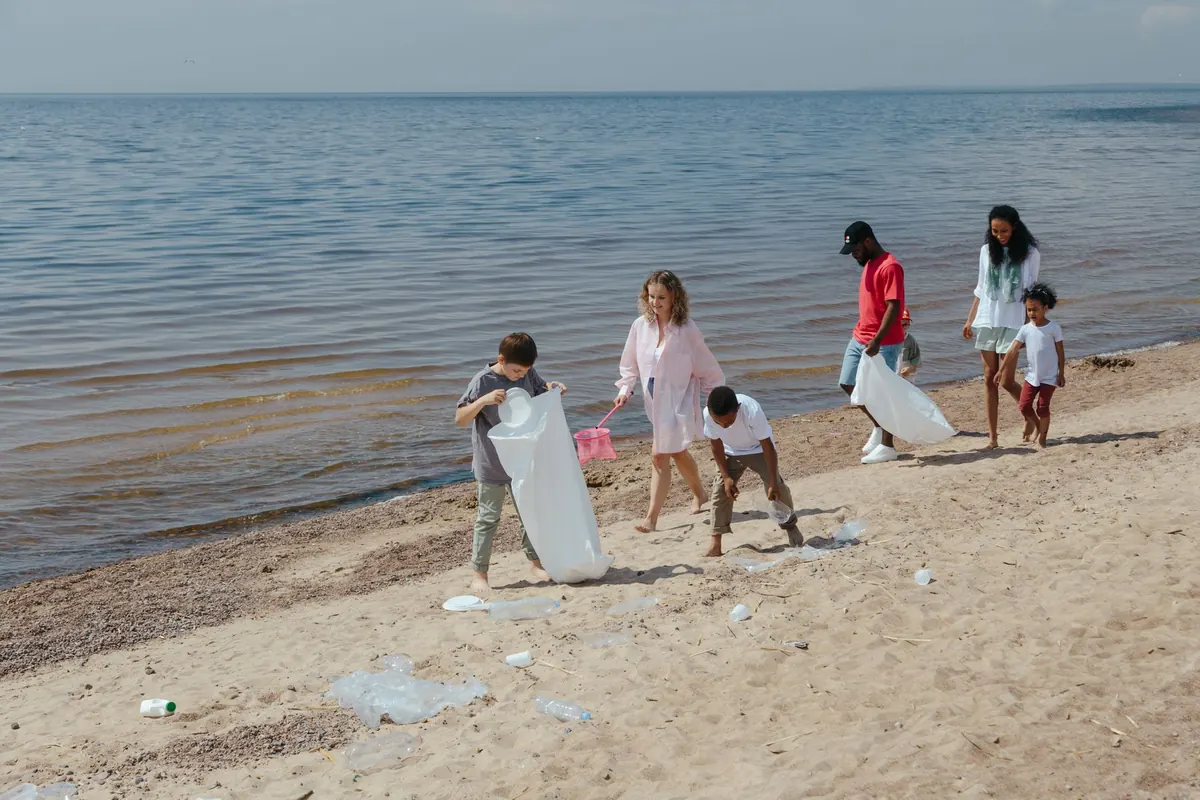
Photo: Ron Lach / Pexels
Related Articles