Beach Ecology
Beach Ecology for Beginners: Exploring the Strandline Without Harming It
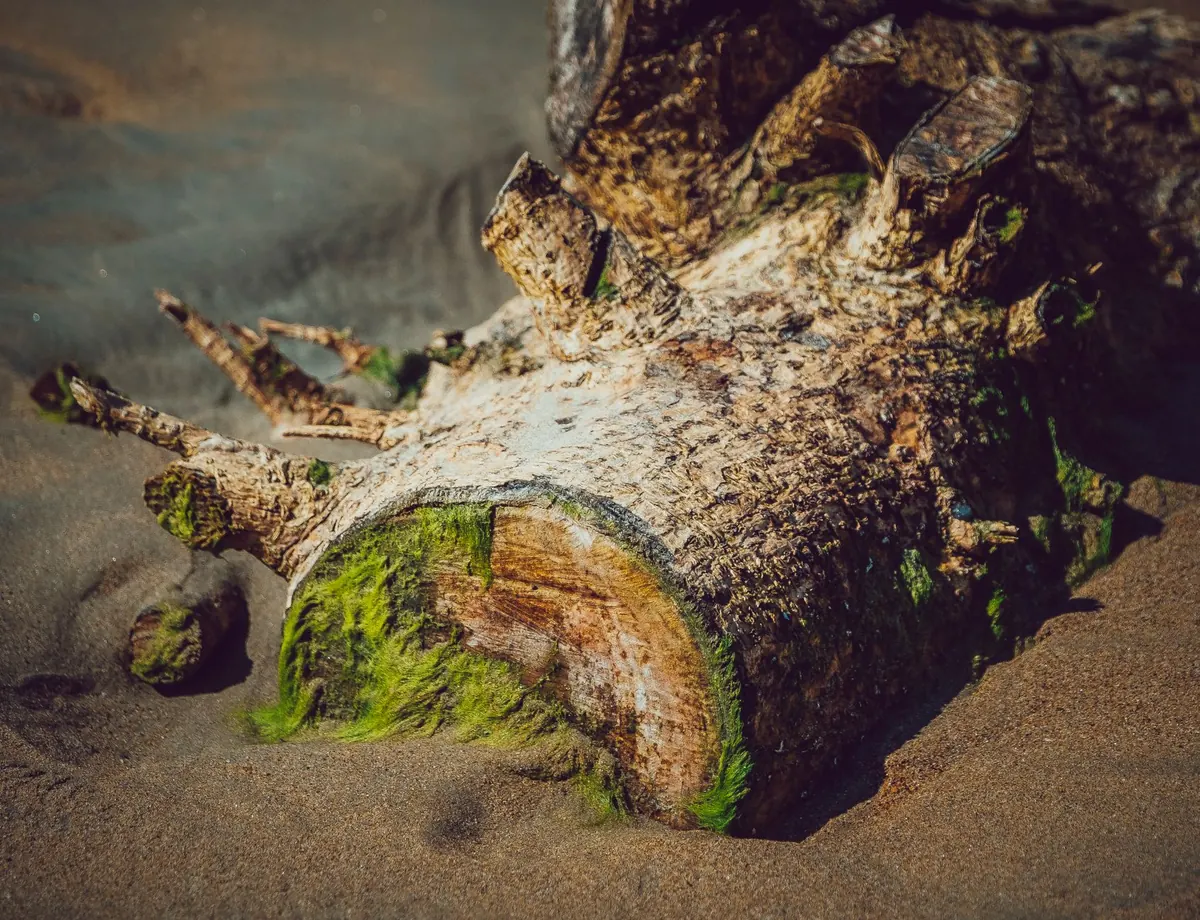
A strandline looks like rubbish. It is not. That dark tangle of wrack, driftwood, bottle-green shells and dried cuttlebone near the top of the beach is one of the busiest places on the coast: a food bank, a nursery and a resting place all squeezed into a band a couple of metres wide. It is also very easy to flatten with one careless boot. Learning to read it is the quickest way into coastal natural history, and it costs nothing but patience.
Where the strandline sits, and why it moves
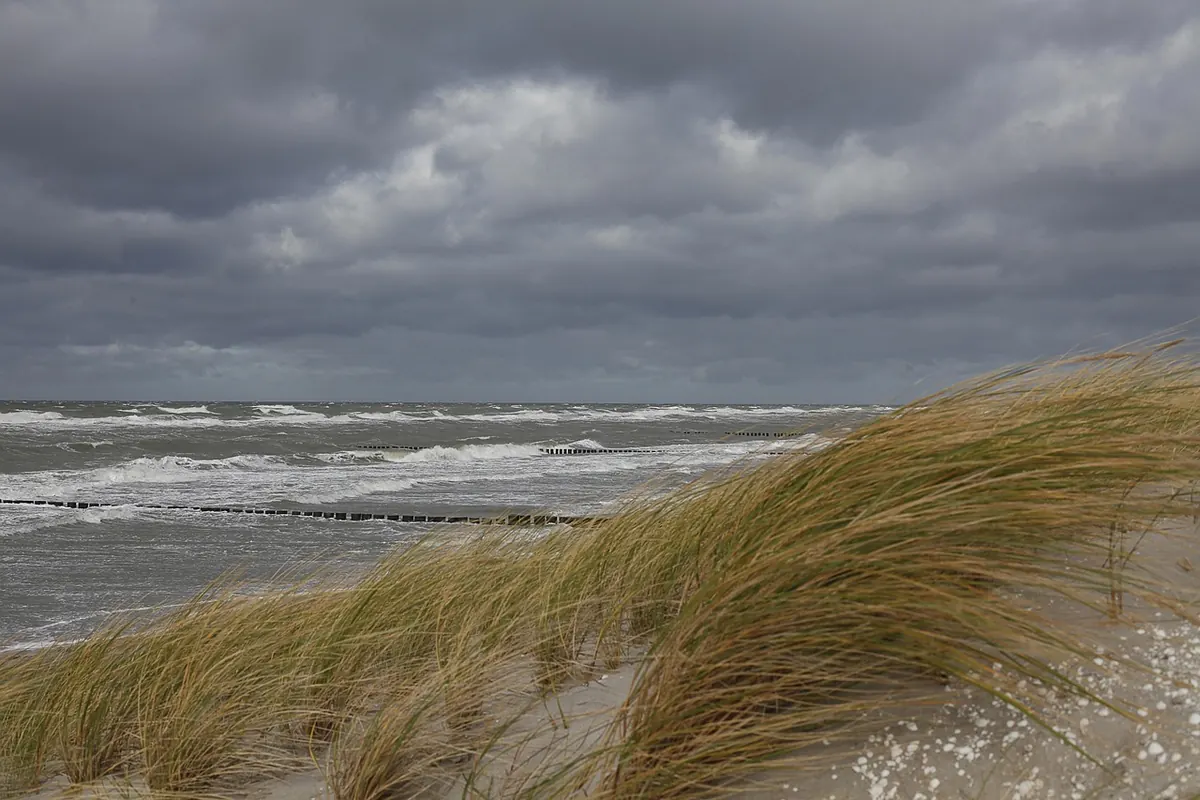
Every tide leaves a line. The boldest one, usually high up the beach near the dunes or the shingle bank, was left by a spring tide or a storm. Lower down you may find two or three fainter lines, each the high-water mark of a smaller tide. Because tide heights change through the month and weather pushes water higher still, the strandline is never in quite the same place twice.
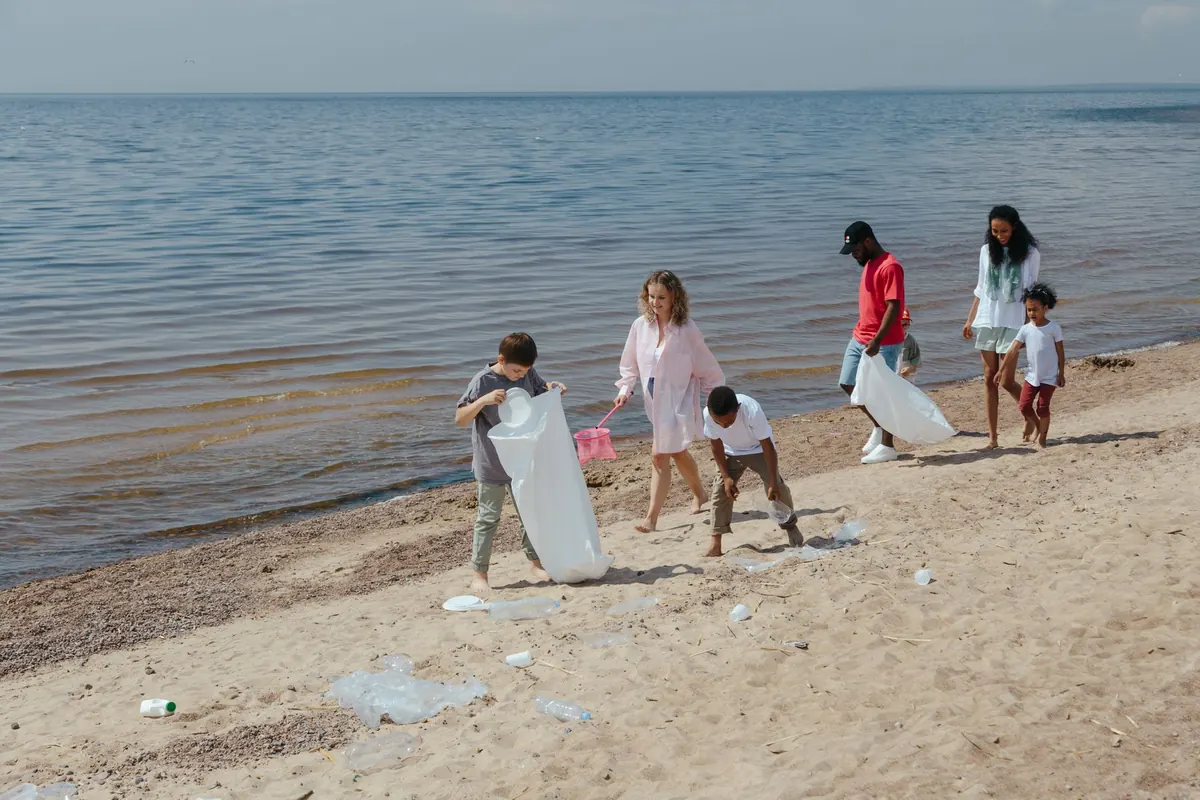
What lands there has come from somewhere out at sea. Kelp and wrack torn up by winter gales, moulted crab shells, egg cases, cuttlebone, driftwood, seeds, and — unavoidably — plastic. Come back after a week and the beach has been rearranged. That fresh delivery every twelve hours is exactly what makes the habitat so rich, and so worth revisiting.
A food web in a heap of weed
Start with the seaweed, because everything else does. As it rots it is shredded by sandhoppers, the small shrimp-like animals that spring out of a lifted clump of wrack and are sometimes called sand fleas. They, in turn, are food for wading birds: turnstone, sanderling, ringed plover, curlew, oystercatcher. Seaweed flies lay their eggs in the damp weed, and their larvae feed in it too.
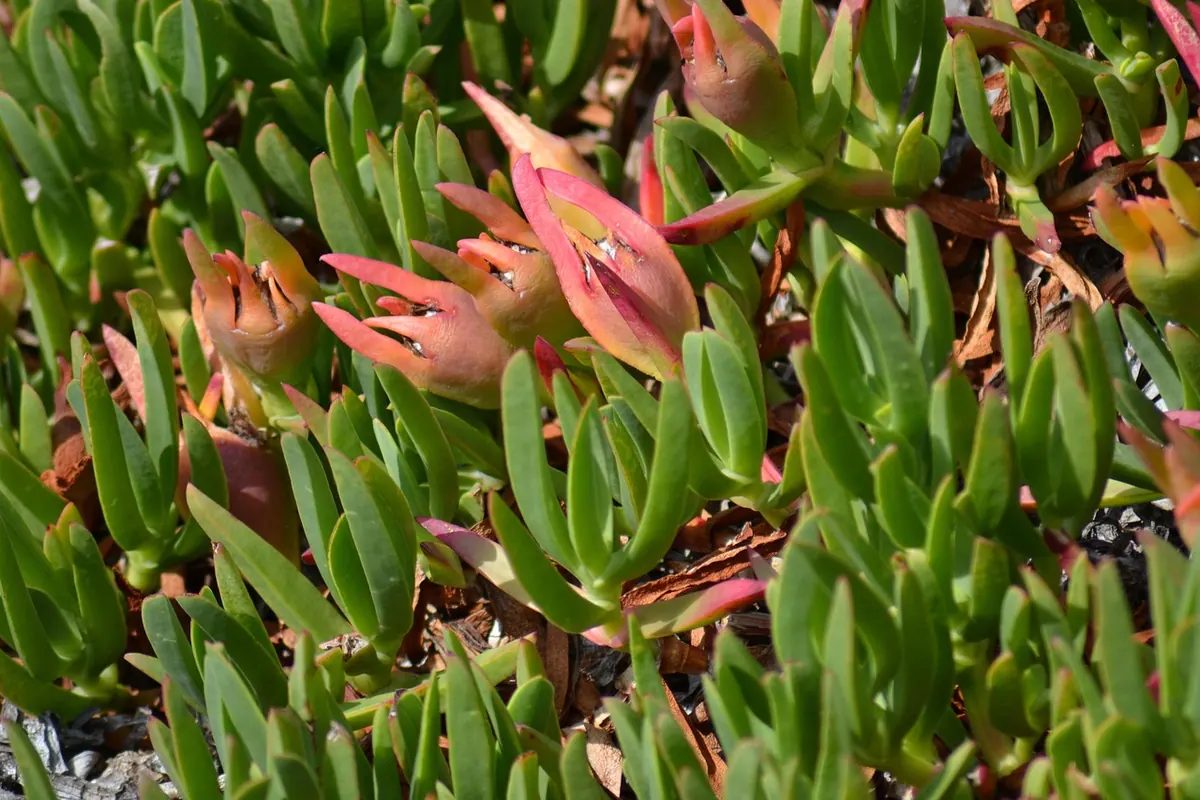
The strandline is also a seed bank. Sea rocket, sea sandwort, orache and, on shingle, yellow-horned poppy all arrive as seeds carried by currents, and germinate in the shelter of the weed. Behind some shingle beaches these plants form a specialised community that is scarce in Britain and slow to recover. The weed is not litter sitting on the beach; it is the beginning of the plants that hold the beach together.
Before you go: tides, timing and permission
Check a local tide table and plan around a falling tide, so the water is moving away from you while you walk. Leave yourself a generous margin and never let a headland or a rising tide get behind you. Strandlines are slippery, so wear something with grip.
Have a look at the signs where you park. Many good strandline beaches are nature reserves, Sites of Special Scientific Interest or have seasonal dog restrictions, and the rules are usually explained clearly at the entrance. Keep dogs on a lead near the weed and near birds. If you find a dead bird or sea mammal, do not touch it — report it to your local authority or wildlife agency and leave it where it lies.
How to look without damaging what you find
- Walk on bare, wet sand below the strandline, or on an established path above it. Feet compact the weed and crush the animals living inside it.
- Stand still for a minute before you look closely. Sandhoppers settle and turnstones come back once you stop moving.
- Look at the surface first — egg cases, shells, seeds and insects are often visible without touching anything at all.
- If you do lift a piece of weed, lift one piece, look underneath, and put it back the way you found it, damp side down.
- Use your hands, not a rake, spade or sieve. Digging destroys the layers that make the habitat work.
- Never take live animals home, and put back any stone, shell or driftwood you move.
- Give birds a wide berth, especially in winter when they are burning energy, and in spring when ringed plovers and oystercatchers nest on the upper beach. If a bird calls and moves away, you were too close.
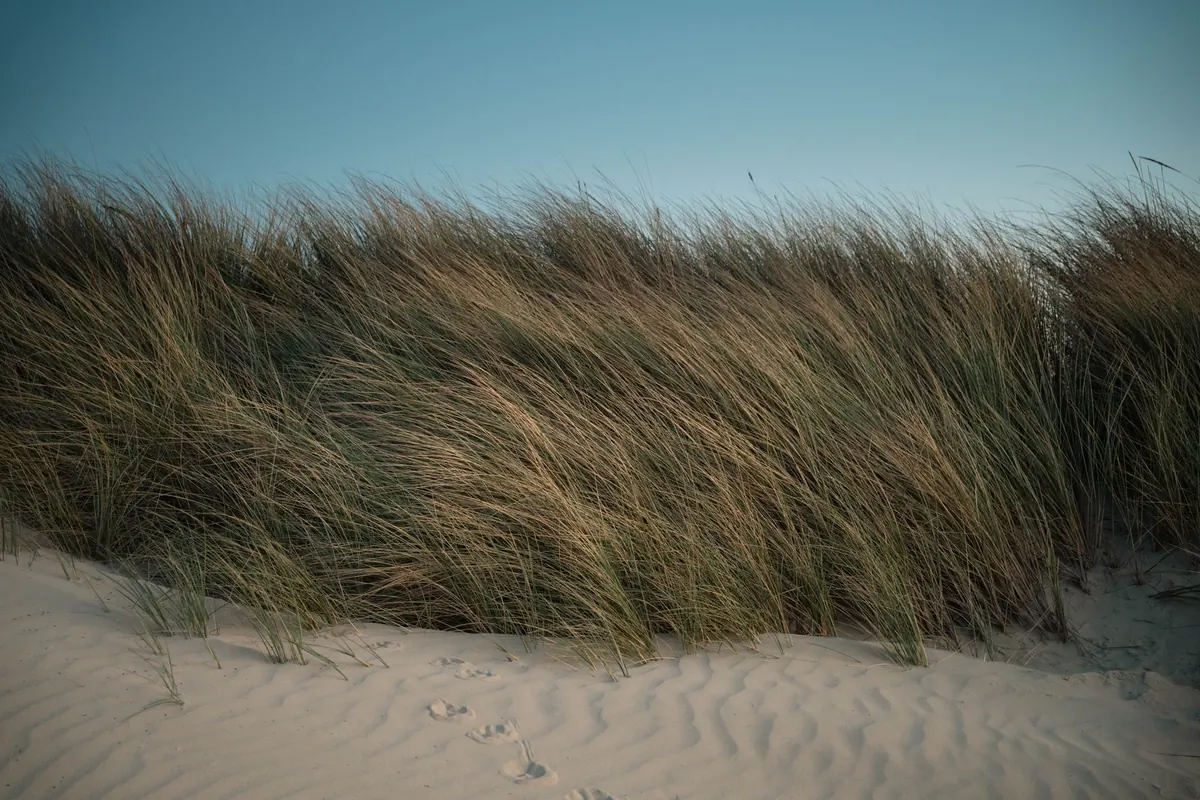
- Keep out of the dunes and off vegetated shingle. Those plants take years to establish.
What you might spot
- Sandhoppers springing from a clump of wrack as soon as it is disturbed.
- Seaweed flies, dark and slow-moving, resting on wet weed on warm days.
- Mermaid's purses — the egg cases of rays, skates and some sharks — which are well worth recording.
- Cuttlebone, whelk egg cases, crab moults and slipper limpet shells.
- By-the-wind sailors and other jelly-like creatures after strong westerly winds. Look, but do not handle them with bare hands.
- Plants in early summer: pale lilac sea rocket, sea sandwort, orache turning crimson in autumn.
- Birds working the line, often running a few steps, stopping, then probing again.
Recording what you see
Keep it simple: date, beach, state of the tide, wind direction and what you found. Wind matters, because an onshore gale delivers a very different haul from a calm week, and the oddities turn up after weather from the west or south-west. Photograph rather than collect, and note roughly where you were.
Send your records to your local wildlife trust or county recorder. A surprising amount of what is known about the coast comes from people who simply walk the same beach every fortnight and write it down. If you are unsure what something is, a photograph and a description will usually get you an answer without anything being removed from the beach.
Your first strandline visit, in short
- Check the tide and pick a falling tide with an hour or two of daylight left.
- Start at the top of the beach and walk slowly along, staying on bare sand.
- Stand still and watch before you look at anything closely.
- Look before you lift, and put back anything you move.
- Leave the weed, shells, plants and birds as you found them.
- Write down what you saw, then return in a fortnight and compare.
The strandline changes with every tide, so there is always something new to find. Go gently, take your time, and the beach will keep showing you more.
Photo: Ludvig Hedenborg / Pexels
Related Articles